
Implant-supported overdentures have transformed tooth replacement by providing greater stability, improved chewing ability, and increased comfort compared to traditional removable dentures. Unlike conventional dentures that rely primarily on the gums for support, overdentures attach to dental implants placed in the jawbone, helping reduce movement during everyday activities such as speaking and eating. As patients learn more about modern restorative options, understanding the role of custom-made attachments becomes an important part of making informed treatment decisions. At Catalis Dental Lab Partners, education about advanced restorative solutions helps patients appreciate the technology and craftsmanship involved in modern implant dentistry.
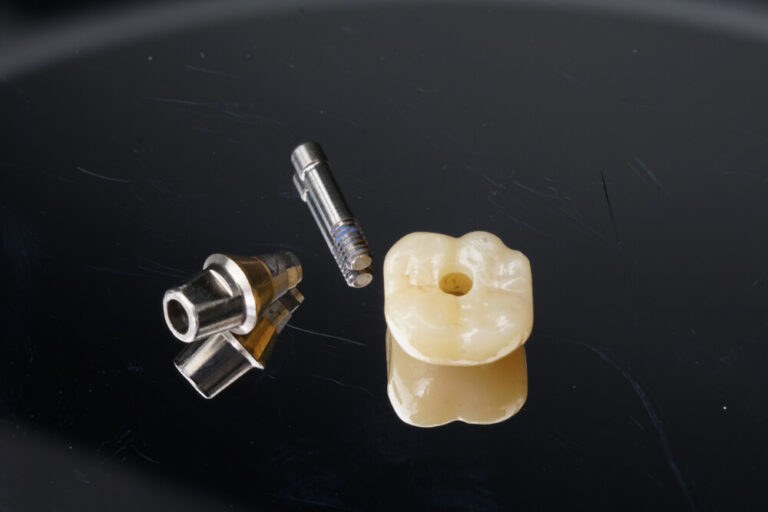
The attachment system serves as the connection between the implants and the overdenture. While implants provide the foundation, the attachment determines how securely the denture fits, how easily it can be removed for cleaning, and how evenly chewing forces are distributed. Because every patient’s oral anatomy, implant placement, and restorative goals are unique, custom-made attachments often provide advantages over standardized options by creating a more personalized fit.
Why Customization Matters
Every patient’s mouth differs in bone structure, soft tissue contours, implant angulation, and bite alignment. A one-size-fits-all attachment may not account for these variations, potentially leading to uneven pressure, decreased stability, or premature wear of restorative components. Custom-designed attachments allow dental professionals to optimize the fit according to each patient’s specific clinical situation.
Customization also helps improve comfort throughout daily use. When an overdenture seats properly and distributes pressure more evenly, patients often experience greater confidence while eating, speaking, and smiling. Better force distribution may also reduce excessive stress on implants and supporting tissues, contributing to the long-term success of the restoration.
Types of Implant Overdenture Attachment Systems
Several attachment systems are commonly used depending on the patient’s needs and the restorative treatment plan. While the final recommendation is determined by the dental provider, patients may benefit from understanding the general options available.
- Ball attachments provide a simple retention mechanism for many two-implant overdenture cases.
- Locator attachments offer strong retention while allowing for easier maintenance and replacement of wear components.
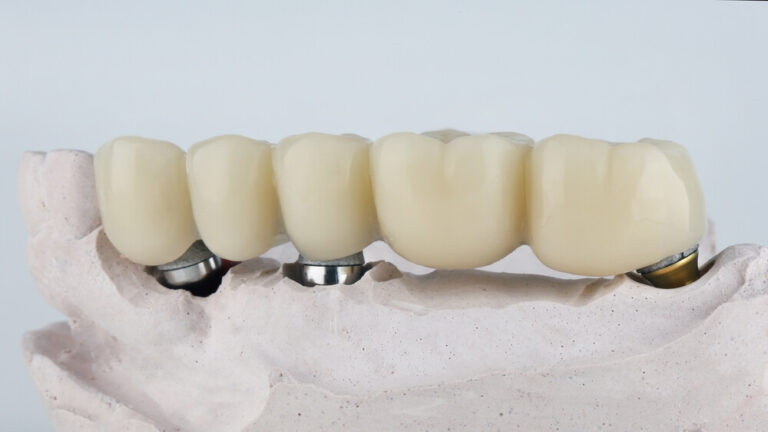
- Bar-retained systems connect multiple implants with a custom bar that provides excellent stability for complex cases.
- Magnetic attachment systems may be appropriate in select situations where gentle retention is preferred.
- Custom-designed attachment solutions are fabricated to accommodate unique implant positions, anatomical variations, or advanced restorative needs.
Each system offers different benefits depending on implant placement, patient dexterity, oral anatomy, and long-term treatment goals.
How Custom Attachments Improve Daily Function
Enhanced Stability During Everyday Activities
One of the most noticeable benefits of implant-supported overdentures is increased stability. Custom attachment systems help minimize unwanted movement during chewing, speaking, laughing, and smiling. This improved retention often allows patients to enjoy a wider variety of foods while reducing concerns about denture displacement during social interactions.
Better stability may also improve speech clarity. Dentures that shift less frequently allow patients to pronounce words more naturally, particularly during conversations that involve rapid speech or extended periods of talking.
Improved Comfort and Force Distribution
A custom attachment system can help distribute chewing forces more evenly across the implants rather than concentrating pressure in isolated areas. This balanced load distribution may reduce irritation of the surrounding tissues while supporting the long-term health of both the implants and the prosthesis.
Personalized attachments can also compensate for minor differences in implant angulation that naturally occur during surgical placement. By accounting for these variations, dental laboratories help create restorations that fit more comfortably while reducing unnecessary wear on attachment components.
The Role of Digital Technology in Custom Fabrication
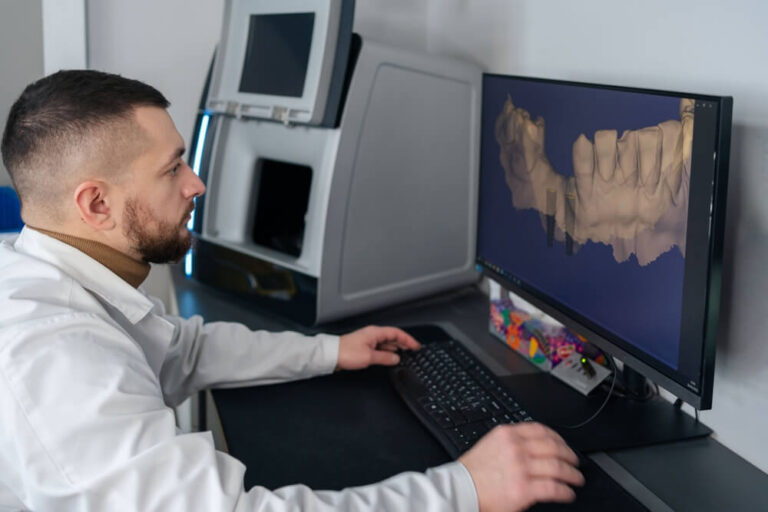
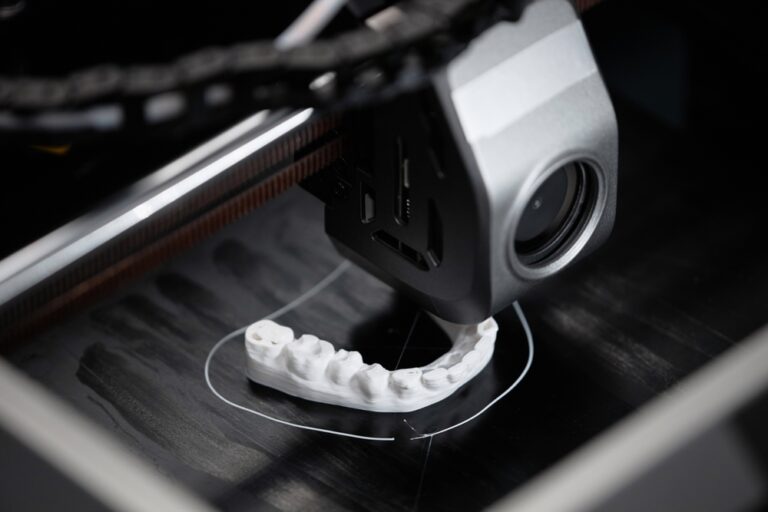
Modern restorative dentistry increasingly relies on digital workflows to improve precision and consistency. Digital impressions, CAD/CAM design software, and advanced manufacturing technologies allow dental laboratories to produce highly accurate restorative components that match the patient’s unique anatomy.
Digital planning also enhances communication between the restorative dentist, surgeon, and laboratory. Accurate digital records help ensure that implant positions, restorative designs, and attachment components work together to support a successful outcome. Patients interested in learning more about digital dental innovations can explore Catalis Dental Lab Partners’ Our Technology page for additional educational information about modern laboratory workflows.
For patients requiring advanced implant restorations, understanding the broader restorative process may also be helpful. Educational resources discussing Complex Implant Restorations and Implants provide additional insight into comprehensive implant treatment planning and restoration design.
Long-Term Maintenance and Patient Care
Although implant-supported overdentures provide excellent function, regular maintenance remains essential for long-term success. Attachment components naturally experience wear over time and may require periodic replacement to maintain optimal retention. Routine dental visits allow providers to evaluate implant health, inspect attachment wear, and make adjustments before small issues become larger concerns.
Patients also play an important role in protecting their restorations through consistent home care. Daily cleaning of both the overdenture and the attachment components helps reduce plaque accumulation and supports healthy surrounding tissues. Following the care instructions provided by the dental team contributes significantly to preserving the longevity of the restoration.
Supporting Long-Term Restorative Success
Custom-made attachments represent one of the many advances that have improved the predictability and performance of implant-supported overdentures. By tailoring attachment systems to each patient’s individual anatomy and restorative needs, dental professionals can often achieve better comfort, enhanced stability, and more balanced function over many years of use. As restorative technologies continue to evolve, personalized treatment planning remains central to delivering successful outcomes.
Catalis Dental Lab Partners recognizes the importance of education in helping patients understand the many components involved in implant dentistry. Whether treatment involves a straightforward overdenture or a more complex implant restoration, learning about custom attachment systems empowers patients to participate more confidently in discussions with their dental providers and better understand how modern restorative solutions contribute to long-term oral health and quality of life.
Resources
Misch, C. E. (2015). Dental Implant Prosthetics (2nd ed.). Elsevier.
Feine, J. S., Carlsson, G. E., Awad, M. A., Chehade, A., Duncan, W. J., Gizani, S., Head, T., Lund, J. P., MacEntee, M., Mericske-Stern, R., Mojon, P., Morais, J., Naert, I., Payne, A. G. T., Penrod, J., Stoker, G. T., Tawse-Smith, A., Taylor, T. D., Thomason, J. M., & Wismeijer, D. (2002). The McGill Consensus Statement on Overdentures. International Journal of Prosthodontics.
Sadowsky, S. J. (2007). Treatment considerations for maxillary implant overdentures: A systematic review. Journal of Prosthetic Dentistry.