
Modern aesthetic dentistry focuses on restoring teeth in ways that improve both oral function and the natural appearance of a patient’s smile. As dental materials have evolved, metal-free restorations have become an increasingly popular option for crowns, bridges, veneers, inlays, onlays, and implant-supported restorations. These restorations are designed to closely mimic the color, translucency, and light-reflecting properties of natural teeth while providing the durability needed for everyday use. Organizations like Catalis Dental Lab Partners support restorative dentistry through advanced laboratory technologies that help dentists create precise, lifelike restorations for patients in Phoenix, Arizona, Warren, Michigan, and surrounding communities.
Patients today often seek treatment that not only repairs damaged teeth but also blends seamlessly with their existing smile. Metal-free restorations make this possible by eliminating the dark metal substructures traditionally used in some restorations. The result is a restoration that looks more like a natural tooth while maintaining excellent strength and long-term performance.
Understanding Metal-Free Dental Restorations
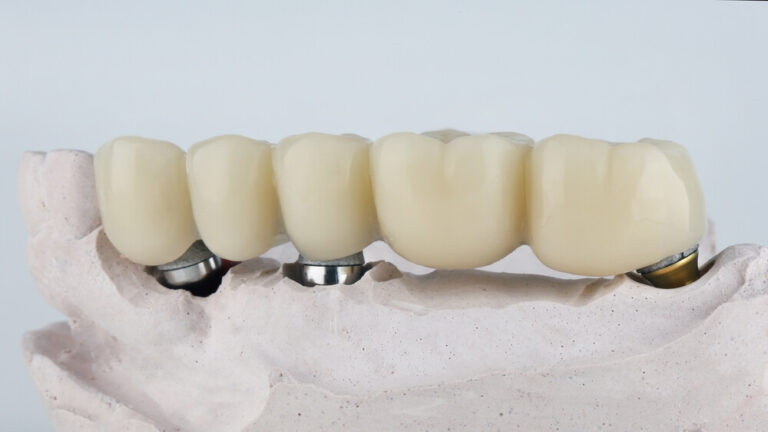
Metal-free restorations are prosthetic dental restorations fabricated entirely from ceramic, porcelain, zirconia, lithium disilicate, or other advanced tooth-colored materials. Unlike traditional porcelain-fused-to-metal restorations, these restorations do not contain an underlying metal framework.
The absence of metal allows light to pass through the restoration in a way that closely resembles natural enamel. This optical property creates a more realistic appearance, especially for front teeth that are visible when smiling or speaking. At the same time, advancements in dental ceramics have significantly improved their strength, allowing many metal-free restorations to perform successfully in both anterior and posterior areas of the mouth.
Benefits Beyond Appearance
While aesthetics are often the primary reason patients choose metal-free restorations, these materials offer several additional advantages that contribute to long-term oral health and patient satisfaction.
Some of the benefits include:
- Natural translucency that closely resembles healthy enamel
- No visible dark metal margins near the gums
- Excellent color stability and stain resistance
- Strong, durable materials suitable for many restorative applications
- Biocompatibility with surrounding oral tissues
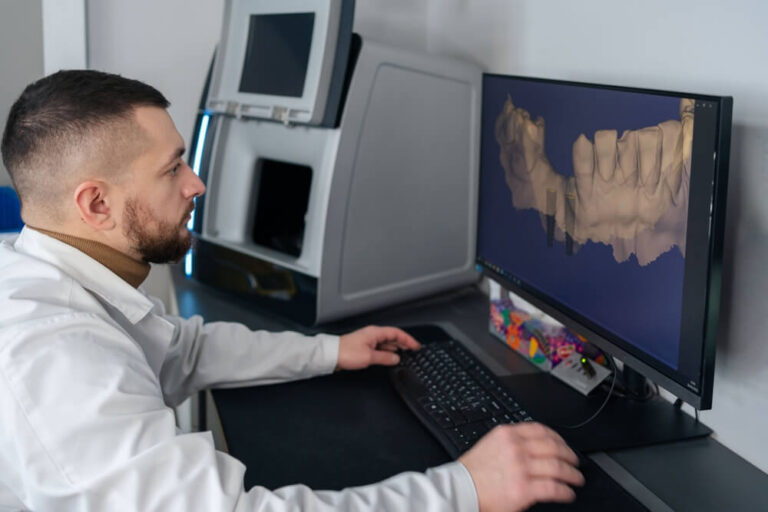
- Digital precision during fabrication using modern CAD/CAM technology
Together, these features allow dentists to restore damaged teeth while preserving the natural appearance of the smile.
Why Natural Appearance Matters
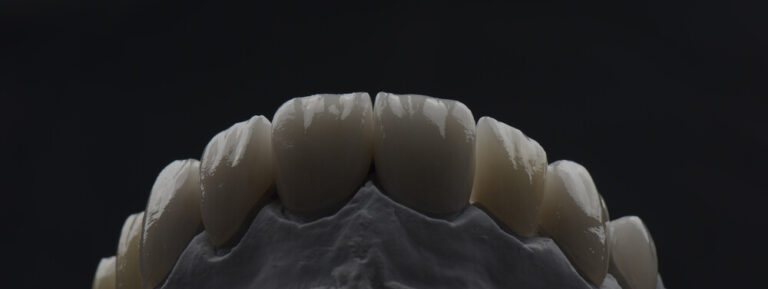
One of the defining characteristics of aesthetic dentistry is creating restorations that are difficult to distinguish from natural teeth. This requires careful attention to color, shape, surface texture, translucency, and light reflection.
Metal-free ceramics excel in this area because they imitate the optical characteristics of natural enamel. Unlike restorations containing metal, they do not create dark shadows beneath the porcelain or gray discoloration near the gumline over time. This is particularly important for restorations placed in the smile zone, where even minor differences in color or translucency can become noticeable.
Dentists also work closely with dental laboratories to customize each restoration according to the patient’s surrounding teeth. Small adjustments in shading, contour, and anatomy help create restorations that blend harmoniously with the rest of the smile while maintaining proper function.
Modern Materials Deliver Strength and Longevity
Earlier generations of ceramic restorations were sometimes limited by their susceptibility to fracture in high-pressure areas. Today’s advanced ceramic materials have dramatically improved both strength and durability without sacrificing aesthetics.
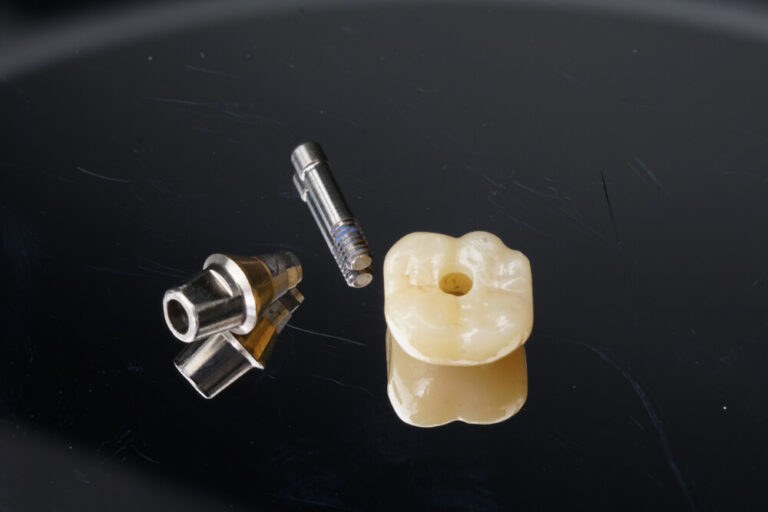
Zirconia has become one of the strongest ceramic materials available, making it suitable for crowns, bridges, and many implant restorations. Lithium disilicate offers an excellent balance of strength and superior esthetics, making it a popular choice for veneers, anterior crowns, and other highly visible restorations. These materials provide dentists with flexible treatment options based on each patient’s clinical needs.
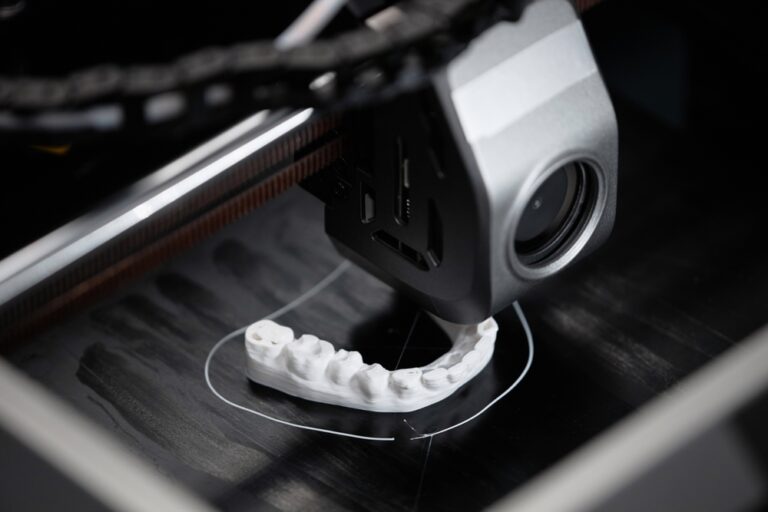
Digital manufacturing has further enhanced the quality of metal-free restorations. Computer-aided design and milling technologies produce restorations with exceptional precision, resulting in accurate fit, improved comfort, and long-lasting performance. Patients interested in learning more about these advancements may also explore Catalis Dental Lab Partners’ Our Technology, All-Ceramic, and Veneers services to better understand how modern laboratory processes contribute to aesthetic dentistry.
Maintaining Metal-Free Restorations
Although metal-free restorations are highly durable, proper oral hygiene remains essential for protecting both the restoration and the surrounding natural teeth. Daily brushing, flossing, and routine dental examinations help maintain healthy gums and extend the lifespan of restorative treatment.
Patients should avoid habits that place excessive stress on restorations, such as chewing ice, biting hard objects, or using teeth to open packages. Individuals who grind or clench their teeth may benefit from wearing a custom nightguard to reduce unnecessary wear. With appropriate care and regular professional monitoring, many metal-free restorations provide years of dependable function while maintaining their natural appearance.
The Future of Aesthetic Dentistry Continues to Embrace Metal-Free Solutions
Metal-free restorations have become an important part of modern aesthetic dentistry because they successfully combine beauty, durability, and precision. Their ability to closely mimic natural teeth while providing reliable long-term performance allows dentists to restore damaged teeth without compromising the appearance of a patient’s smile. Continued innovations in ceramic materials and digital manufacturing continue to improve restorative outcomes for patients seeking functional and aesthetically pleasing dental care.
As more patients prioritize both oral health and cosmetic appearance, understanding the value of metal-free restorations can help them make informed decisions about their treatment options. Catalis Dental Lab Partners supports restorative excellence by helping dental professionals fabricate high-quality restorations that combine advanced materials with exceptional precision for patients in Phoenix, Arizona, Warren, Michigan, and beyond. Patients exploring restorative solutions may also find additional information by learning about Layered Crown & Bridge, Traditional, and Implants.
Resources
Kelly, J. R., & Benetti, P. (2011). Ceramic Materials in Dentistry: Historical Evolution and Current Practice. Australian Dental Journal.
Rosenstiel, S. F., Land, M. F., & Fujimoto, J. (2022). Contemporary Fixed Prosthodontics. Elsevier.
Anusavice, K. J., Shen, C., & Rawls, H. R. (2013). Phillips’ Science of Dental Materials. Elsevier.