
Dental dyes and stains play an important role in modern restorative dentistry, helping clinicians and technicians achieve both functional accuracy and natural aesthetics. These materials are used at different stages of treatment, from identifying problem areas to enhancing the final appearance of restorations. At Catalis Dental Lab Partners, the use of advanced materials reflects a broader commitment within the dental industry to precision and detail across regions such as Phoenix, Arizona and Warren, Michigan.
Dental dyes are typically used as diagnostic tools, while stains are applied during the fabrication of restorations to mimic the natural color variations of teeth. Together, they allow for a more refined and customized approach to dental care. As restorative dentistry continues to evolve with digital workflows and advanced materials, dyes and stains remain essential for achieving lifelike results.
Diagnostic Applications of Dental Dyes
One of the primary uses of dental dyes is in identifying areas that require treatment. Caries detection dyes, for example, help highlight decayed tooth structure that may not be easily visible to the naked eye. By staining infected dentin, these dyes guide clinicians in removing only the damaged portion of the tooth while preserving as much healthy structure as possible.
This level of precision is especially important when preparing teeth for restorations such as veneers or layered crown & bridge work. Accurate preparation ensures that the restoration fits properly and bonds effectively. It also reduces the risk of leaving behind decay, which could compromise the long-term success of the treatment.
In addition to caries detection, dyes may be used to assess plaque accumulation or evaluate the effectiveness of cleaning techniques. These applications support better oral health outcomes by helping both clinicians and patients identify areas that need attention.
Enhancing Aesthetics with Dental Stains
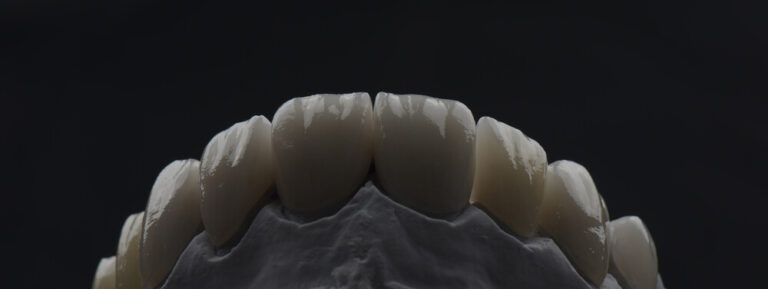
While dyes are primarily diagnostic, dental stains are used to enhance the visual appearance of restorations. Natural teeth are not a single uniform color; they contain subtle variations in shade, translucency, and texture. Dental stains allow technicians to replicate these characteristics, resulting in restorations that blend seamlessly with surrounding teeth.
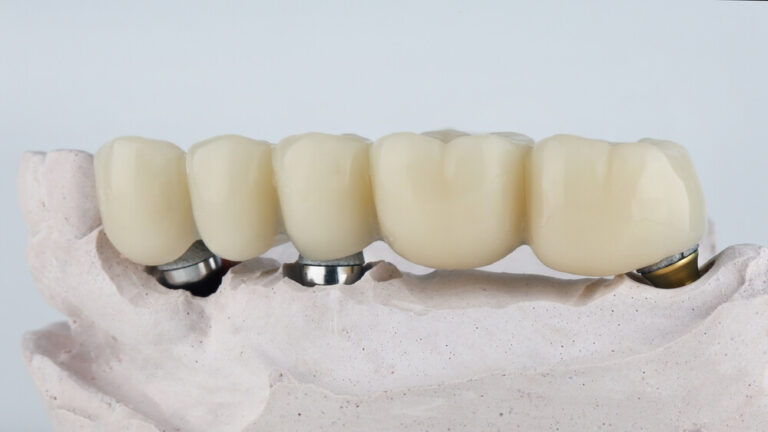
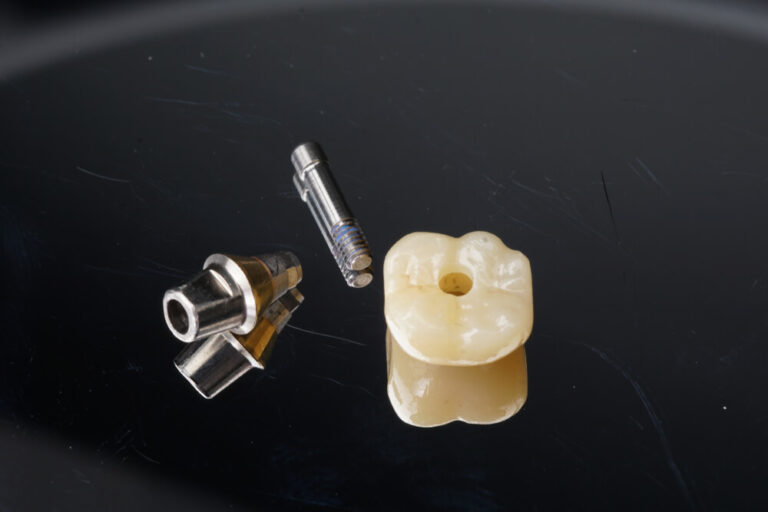
For restorations such as all-ceramic crowns or implant-supported prosthetics created through implants, staining techniques are essential for achieving a natural look. By layering different shades and applying stains strategically, technicians can recreate the depth and complexity of natural enamel.
This attention to detail is particularly important in visible areas of the mouth, where aesthetics play a significant role in patient satisfaction. Properly stained restorations can enhance confidence by providing a more realistic and harmonious smile.
Supporting Precision in Advanced Restorative Workflows
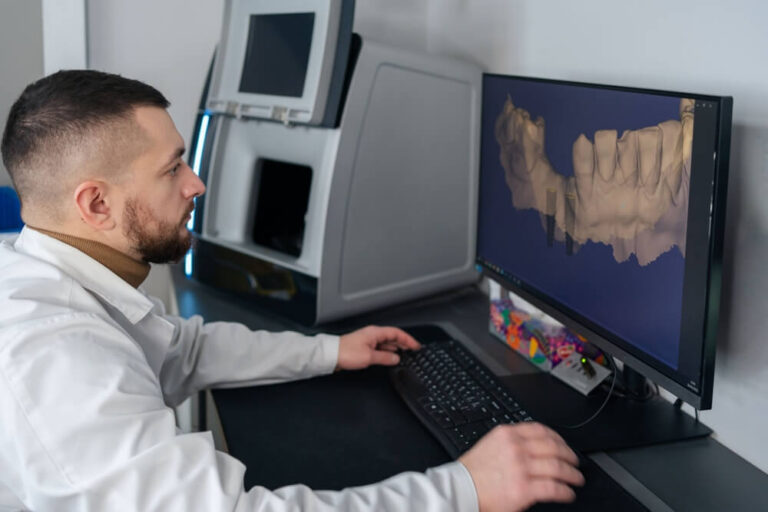
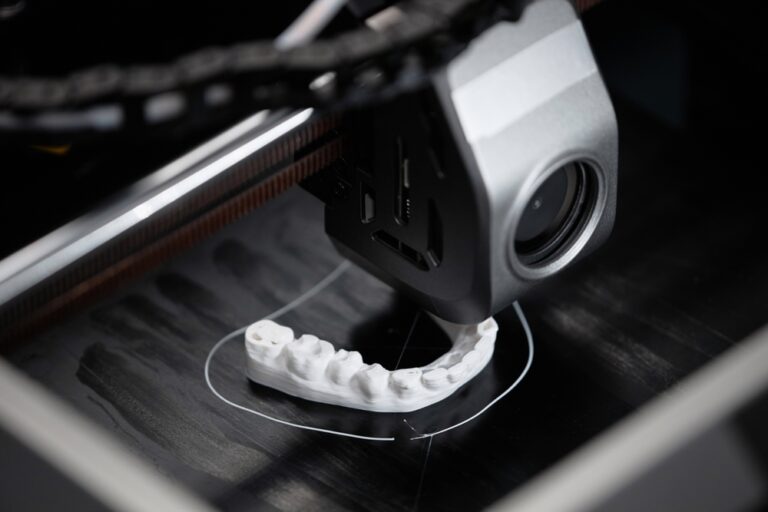
In today’s digital dental environment, dyes and stains continue to play a complementary role alongside advanced technologies. While CAD/CAM systems and 3D printing provide accuracy and efficiency, the final aesthetic refinement often depends on the skilled application of stains. This combination of technology and artistry ensures that restorations meet both functional and cosmetic expectations.
Digital workflows, such as those highlighted in our technology, allow for precise design and fabrication, while dyes and stains provide the finishing touches that bring restorations to life. This integration is especially valuable in complex cases, including complex implant restorations, where multiple factors must be carefully balanced.
Additionally, dyes can be used during the fabrication process to identify margins and ensure accurate finishing. This helps maintain the integrity of the restoration and supports better long-term outcomes.
Key Benefits of Dental Dyes and Stains
Dental dyes and stains offer several advantages that contribute to the success of restorative treatments. Their use enhances both clinical precision and aesthetic quality, making them an essential component of modern dentistry.
Key benefits include:
- Improved detection of decay and problem areas
- Preservation of healthy tooth structure during preparation
- Enhanced aesthetics with natural color matching
- Greater customization for patient-specific restorations
- Support for precision in both traditional and digital workflows
These benefits highlight the importance of combining diagnostic tools with artistic techniques to achieve optimal results.
The Role of Detail in Patient-Centered Dentistry
The use of dental dyes and stains underscores the importance of attention to detail in restorative dentistry. While advanced technologies provide the foundation for accurate and efficient treatment, it is often the finer details that determine the overall success and appearance of a restoration.
For patients, this means receiving restorations that not only function well but also look natural and feel comfortable. Understanding the role of dyes and stains can help patients appreciate the level of care and expertise involved in creating high-quality dental work.
At Catalis Dental Lab Partners, the integration of advanced materials and techniques reflects a commitment to delivering precise and aesthetically pleasing results. As dentistry continues to evolve, the combination of technology and craftsmanship will remain essential in providing exceptional care for patients in Phoenix, Arizona, Warren, Michigan, and beyond.
Resources
Banerjee, A., Kidd, E. A. M., & Watson, T. F. (2000). In vitro evaluation of five alternative methods of carious dentine excavation. Caries Research.
Chu, S. J., Devigus, A., & Paravina, R. D. (2010). Fundamentals of Color: Shade Matching and Communication in Esthetic Dentistry. Quintessence Publishing.
Magne, P., & Belser, U. (2003). Bonded Porcelain Restorations in the Anterior Dentition: A Biomimetic Approach. Quintessence Publishing.