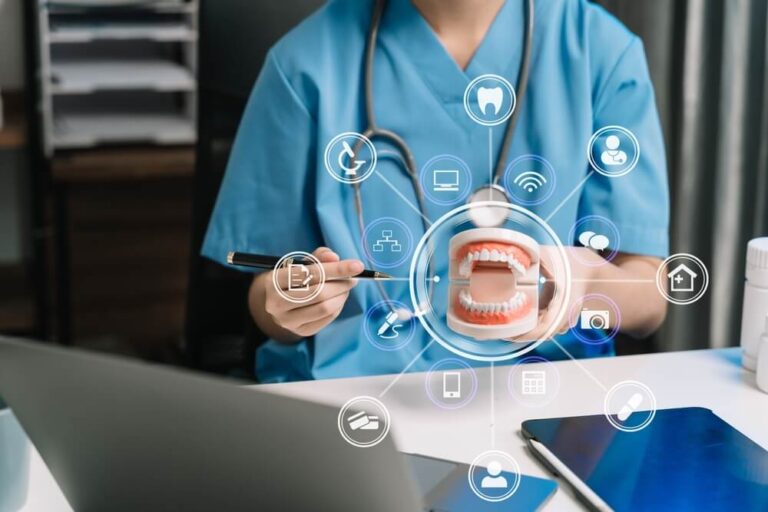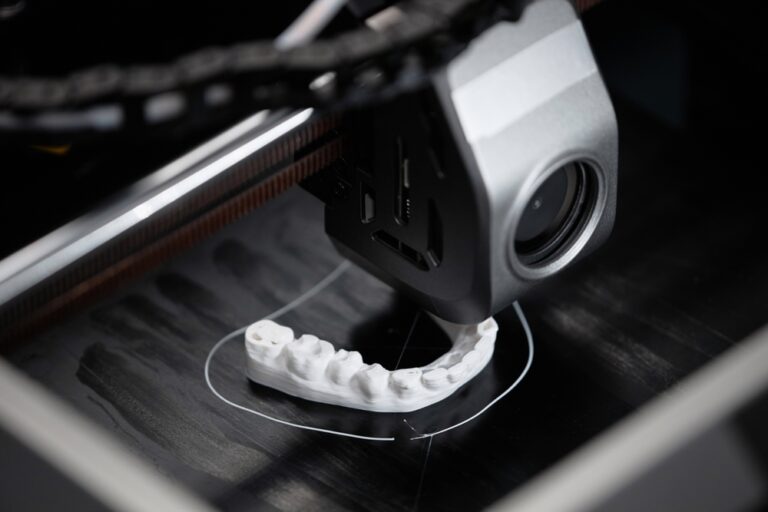
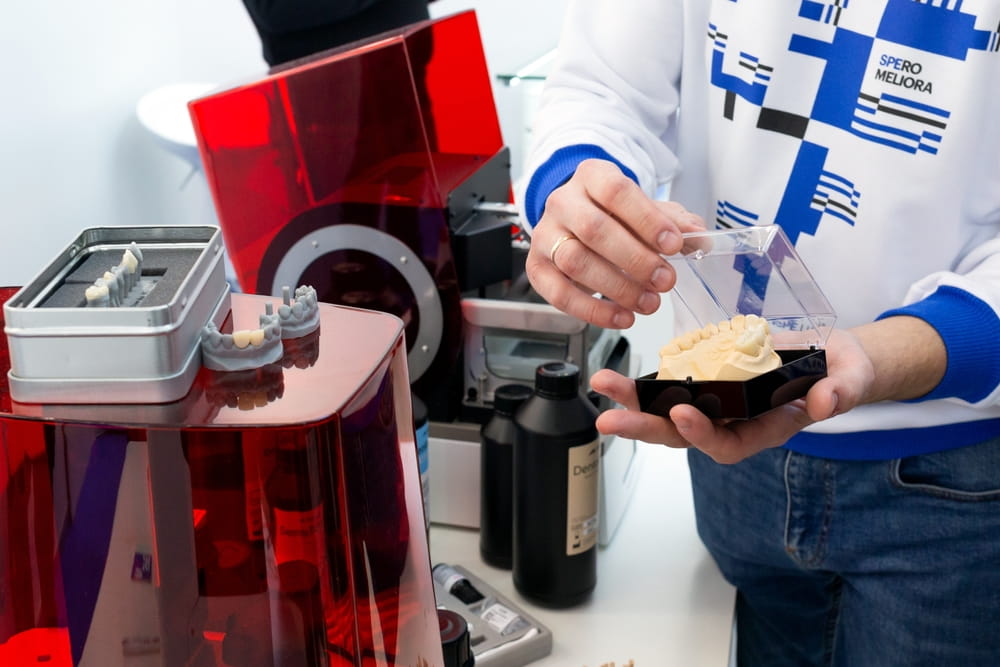
3D printing technology has rapidly become a transformative force in modern dentistry, reshaping how restorations are designed, fabricated, and delivered. By enabling highly accurate, digital-first workflows, 3D printing offers new opportunities to improve both efficiency and patient outcomes. At Catalis Dental Lab Partners, advancements like these reflect a broader industry shift toward innovation in dental care across regions such as Phoenix, Arizona and Warren, Michigan.
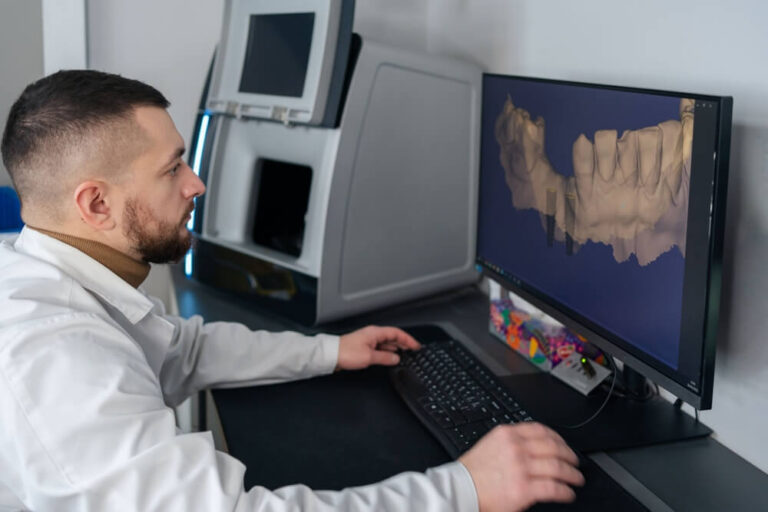
Unlike traditional methods that rely on manual impressions and fabrication, 3D printing uses digital scans to create precise physical models and restorations. This process allows dental professionals to visualize and refine treatment plans before production begins. As a result, patients benefit from more predictable results and a smoother overall experience.
Precision and Customization for Better Outcomes
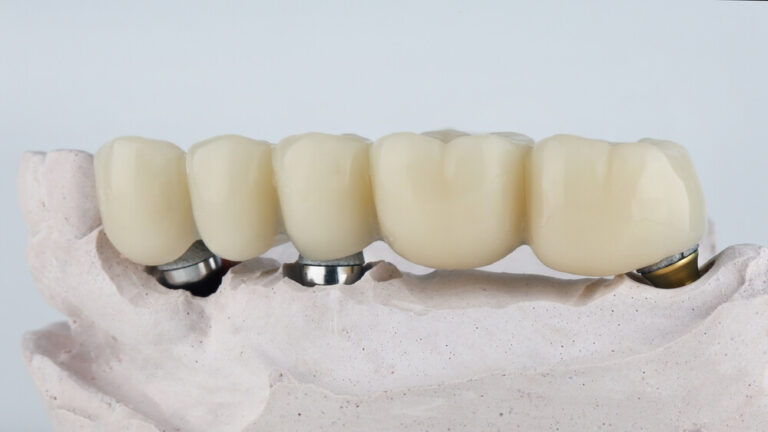
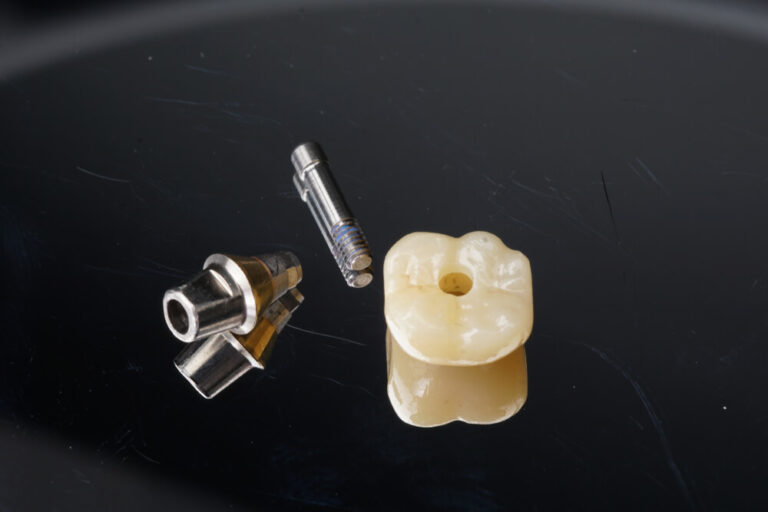
One of the most significant advantages of 3D printing is its ability to produce highly customized restorations with exceptional accuracy. Each restoration is designed based on a patient’s unique anatomy, ensuring a precise fit that enhances both comfort and function. This level of customization is especially important for treatments such as implants and complex implant restorations, where even small inaccuracies can impact long-term success.
Digital design software allows technicians to make detailed adjustments before printing, reducing the need for modifications after fabrication. This not only improves efficiency but also helps ensure that restorations integrate seamlessly with surrounding teeth and structures.
In addition, 3D printing supports the creation of highly detailed models that can be used for planning and patient education. By visualizing the final result in advance, patients can better understand their treatment and feel more confident in the process.
Faster Turnaround Times and Improved Efficiency
Speed is another key benefit of incorporating 3D printing technology into dental workflows. Traditional fabrication methods often involve multiple steps and extended timelines, while 3D printing streamlines production by automating much of the process. This allows restorations to be produced more quickly without sacrificing quality.
For patients, faster turnaround times can mean fewer appointments and shorter treatment durations. For dental professionals, it translates into increased productivity and the ability to manage more cases efficiently. Technologies highlighted in our technology demonstrate how digital tools can enhance workflow without compromising precision.
The ability to rapidly produce restorations also makes 3D printing particularly valuable in time-sensitive cases, where delays could impact patient comfort or treatment outcomes.
Expanding Applications Across Dental Treatments
3D printing technology is highly versatile and can be applied to a wide range of dental restorations and appliances. From crowns and bridges to dentures and surgical guides, the technology supports consistent quality across multiple treatment types. Solutions such as digital dentures and partials benefit from the accuracy and repeatability of digital production.
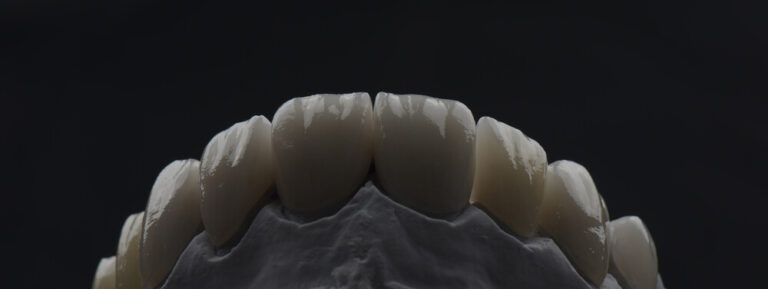
In cosmetic dentistry, 3D printing can assist in creating precise mock-ups and guides for procedures like veneers, helping ensure that aesthetic goals are met. It also supports the fabrication of temporary restorations, which can be produced quickly and adjusted as needed.
Key benefits of 3D printing in dentistry include:
- Highly accurate, patient-specific restorations
- Faster production and reduced turnaround times
- Improved treatment planning and visualization
- Consistent quality with fewer manual errors
- Greater flexibility across a wide range of applications
Enhancing Material Innovation and Sustainability
3D printing has also contributed to advancements in dental materials. Modern printing resins and materials are designed to offer strength, durability, and biocompatibility, making them suitable for both temporary and long-term restorations. These materials continue to evolve, providing improved performance and aesthetics.
Additionally, 3D printing can reduce material waste compared to traditional subtractive manufacturing methods. By using only the material needed to create a restoration, this technology supports more sustainable practices within the dental industry.
The integration of 3D printing with other digital technologies, such as CAD/CAM systems, further enhances its capabilities. Together, these tools create a comprehensive digital workflow that improves accuracy and efficiency at every stage of treatment.
A Digital Future for Patient-Centered Dentistry
As 3D printing technology continues to advance, its role in dentistry will only expand. The ability to create precise, customized restorations quickly and efficiently is reshaping expectations for both patients and providers. This technology not only improves clinical outcomes but also enhances the overall patient experience.
For individuals seeking dental care, understanding the benefits of 3D printing can provide valuable insight into the quality and innovation behind modern treatments. At Catalis Dental Lab Partners, the adoption of cutting-edge technologies reflects a commitment to advancing dental care and supporting better outcomes for patients in Phoenix, Arizona, Warren, Michigan, and beyond.
Resources
Dawood, A., Marti Marti, B., Sauret-Jackson, V., & Darwood, A. (2015). 3D printing in dentistry. British Dental Journal.
Revilla-León, M., & Özcan, M. (2019). Additive manufacturing technologies used for processing polymers: current status and potential application in prosthetic dentistry. Journal of Prosthodontics.
Javaid, M., & Haleem, A. (2019). Current status and applications of additive manufacturing in dentistry. Journal of Oral Biology and Craniofacial Research.