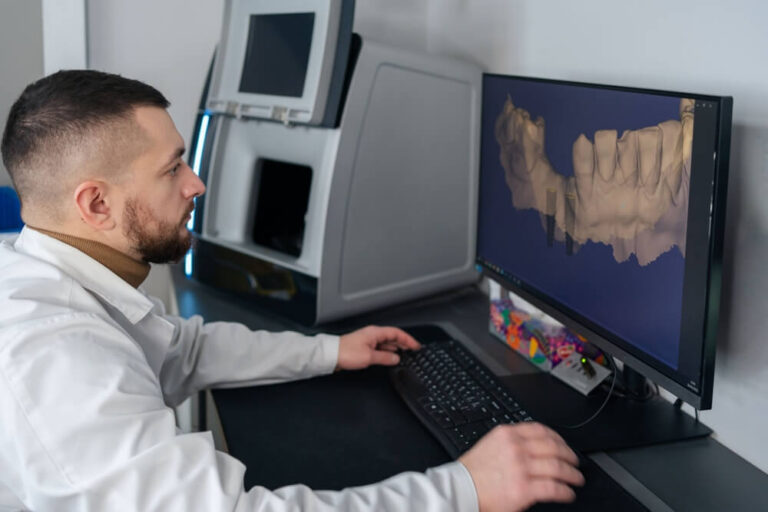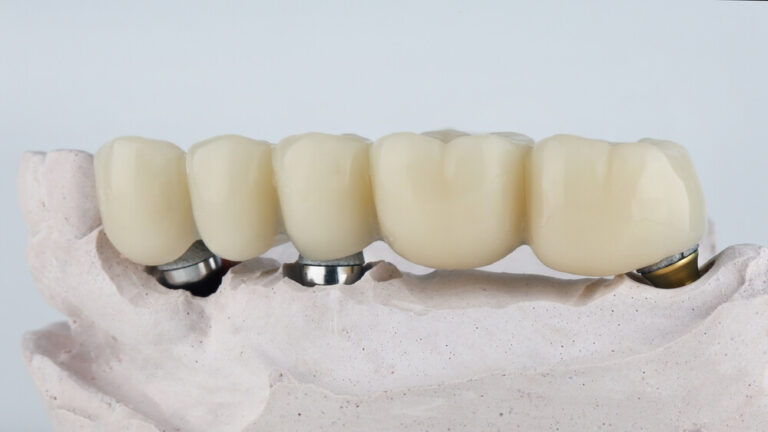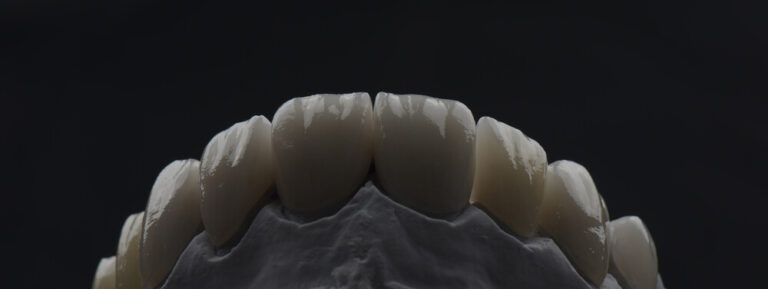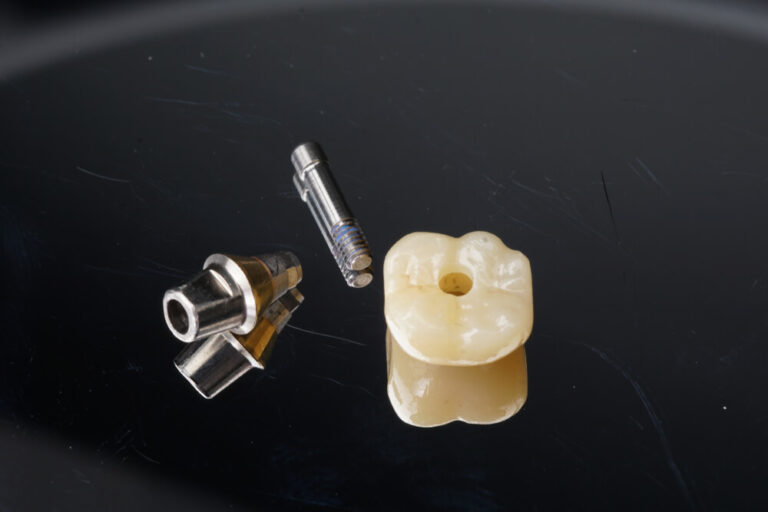
At Catalis Dental Lab Partners, located in Phoenix, Arizona, and Warren, Michigan, we understand the importance of staying informed about innovations in dental technology. One of the most transformative developments in restorative dentistry is the use of bioactive materials. Unlike traditional dental materials that are primarily inert, bioactive materials actively interact with the biological environment in the mouth. This interaction offers numerous benefits for both the structural integrity of restorations and the overall health of the tooth and surrounding tissues. In this article, we will explore the various advantages of using bioactive materials in dental restorations.
Enhancing Tooth Longevity and Restoration Durability
One of the most significant benefits of bioactive materials is their ability to improve the longevity of dental restorations. These materials can form chemical bonds with both enamel and dentin, which creates a more stable and durable restoration. Unlike conventional composites or ceramics, which rely solely on mechanical retention, bioactive materials help distribute occlusal forces more evenly. This reduces the risk of fractures and microleakage, a common issue in traditional restorations that can lead to secondary decay.
Additionally, bioactive materials have been shown to promote remineralization of the tooth structure. By releasing calcium, phosphate, and other ions, these materials actively support the repair of demineralized areas in the tooth. This not only extends the lifespan of the restoration but also helps maintain the structural integrity of the natural tooth. Patients benefit from restorations that are less prone to chipping, cracking, or needing replacement over time.
Promoting Oral Health Through Bioactivity
Beyond durability, bioactive materials contribute to improved oral health. Their ability to release therapeutic ions can help neutralize acids in the mouth, reducing the risk of further decay. This is especially important in high-risk patients or those with a history of recurrent caries. Some bioactive materials even exhibit antibacterial properties, which can reduce bacterial colonization at the restoration site.
Furthermore, these materials support the natural healing process of the tooth. For instance, when used in deep cavities close to the pulp, bioactive materials can stimulate dentin formation. This promotes natural tissue repair, reduces postoperative sensitivity, and enhances overall patient comfort. By interacting positively with the biological environment, these materials turn a routine dental restoration into a proactive step for oral wellness.
Aesthetic and Functional Benefits
In addition to their biological advantages, bioactive materials also offer aesthetic and functional improvements. Many bioactive composites and ceramics are highly translucent, allowing them to mimic the natural appearance of teeth more effectively than traditional restorative materials. This ensures that restorations are not only strong but visually appealing, an important consideration for anterior teeth or cosmetic procedures.
Functionally, bioactive materials provide a consistent wear profile that is more similar to natural tooth enamel. This reduces uneven wear on opposing teeth and preserves proper occlusion over time. Patients experience restorations that feel natural when biting and chewing, enhancing overall oral function while maintaining a high-quality appearance.
Applications and Considerations in Modern Dentistry
Bioactive materials are versatile and can be used in various types of restorations, from fillings to crowns and even in root canal procedures. Their ion-releasing properties, antibacterial effects, and ability to promote remineralization make them suitable for both preventive and restorative applications. Clinicians can choose specific bioactive formulations depending on the location of the restoration and the patient’s oral health needs.
However, it is important to understand that bioactive materials require careful handling and appropriate bonding protocols to maximize their benefits. Proper technique ensures optimal adhesion and ensures that the restorative material interacts effectively with the tooth structure. Awareness of these considerations allows dental professionals to make informed decisions about material selection for long-term clinical success.
Conclusion: Advancing Restorative Dentistry with Bioactive Materials
Bioactive materials represent a significant advancement in restorative dentistry, combining durability, aesthetics, and biologically active properties that support oral health. At Catalis Dental Lab Partners in Phoenix, Arizona, and Warren, Michigan, understanding the science behind these materials is essential for dental professionals seeking to enhance patient outcomes. From promoting remineralization and reducing bacterial activity to improving restoration longevity and aesthetics, bioactive materials provide a holistic approach to dental care. Their growing role in modern dentistry underscores the importance of staying informed about the latest innovations in restorative materials.
Resources:
- Hench, L. L. (1998). Bioceramics: From Concept to Clinic. Journal of the American Ceramic Society.
- Gandolfi, M. G., & Prati, C. (2010). Bioactive Dental Materials: A Review. Dental Materials Journal.
- Sauro, S., & Pashley, D. H. (2016). Bioactive Restorative Materials and Dentin Regeneration. Operative Dentistry.