Tooth loss can significantly affect an individual’s ability to eat, speak, and smile confidently. While there are several treatment options for replacing missing teeth, removable prosthetics remain a popular and practical choice for many patients. Catalis Dental Lab Partners, serving Phoenix, Arizona, and Warren, Michigan, recognizes the important role these prosthetics play in improving quality of life. This article explores the key advantages of removable prosthetics and why they continue to be a valuable solution in restorative dentistry.
Affordability and Accessibility
One of the most notable benefits of removable prosthetics is their relative affordability compared to fixed dental restorations such as implants or bridges. The materials and procedures involved in creating dentures or partial dentures generally require less invasive treatment and lower laboratory costs. For patients with budget constraints or those seeking a cost-effective solution, removable prosthetics provide an accessible option to restore function and aesthetics without extensive surgery or high expenses.
Additionally, the fabrication process for removable prosthetics is typically faster, allowing patients to receive replacements more quickly. This can be especially beneficial for individuals who require immediate tooth replacement after extractions or for those who are not candidates for surgical interventions due to health concerns. The accessibility of removable prosthetics ensures that more patients can regain oral function and confidence regardless of financial or medical limitations.
Customization and Comfort
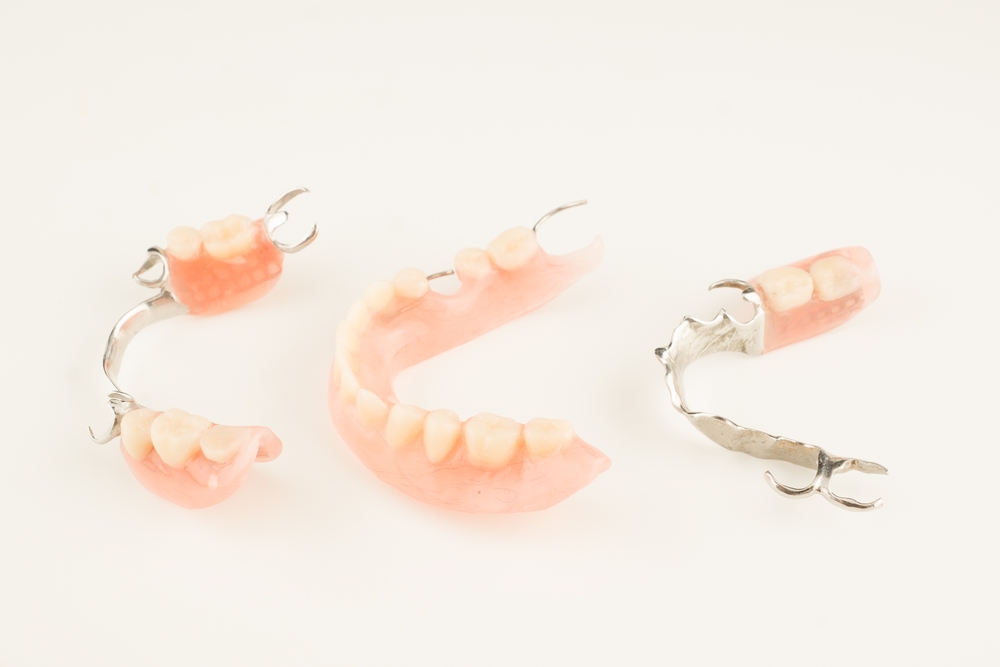
Removable prosthetics are custom-designed to fit the unique anatomy of each patient’s mouth. Using detailed impressions and measurements, dental laboratories craft dentures and partials that conform closely to the gums and remaining teeth. This customization improves comfort during wear, reducing irritation and soreness that can occur with ill-fitting appliances.
Modern materials and fabrication techniques have enhanced the lightweight feel and natural appearance of removable prosthetics. Acrylic bases can be shaded to match gum color, and teeth are selected to complement the patient’s facial features and natural dentition. Adjustments can be made easily if changes in fit or function occur over time, ensuring long-term comfort. This adaptability helps patients adjust more readily to their prosthetics, supporting daily activities like eating and speaking.
Improved Oral Function and Aesthetics
Removable prosthetics restore the ability to chew a wider variety of foods, contributing to better nutrition and digestion. They help redistribute bite forces evenly, reducing strain on remaining teeth and supporting oral health. Partial dentures can also prevent adjacent teeth from shifting into gaps, which helps maintain proper alignment and occlusion.
Aesthetically, well-made removable prosthetics restore the natural appearance of teeth and facial contours. They provide support to the lips and cheeks, preventing the sunken look often associated with tooth loss. This restoration of facial structure enhances self-esteem and social confidence. The ability to remove prosthetics also allows patients to maintain good oral hygiene by cleaning both the appliance and their natural teeth thoroughly.
Ease of Maintenance and Hygiene
Removable prosthetics can be taken out of the mouth for cleaning, making daily maintenance straightforward. Patients can brush their dentures separately using specialized brushes and cleaning solutions, reducing the risk of plaque buildup and staining. This also allows for thorough cleaning of the gums, tongue, and remaining teeth, which can be more challenging with fixed restorations.
Being able to remove the prosthetics at night or during rest periods gives the oral tissues a chance to recover and reduces the risk of irritation or infections. Regular cleaning routines and proper storage extend the lifespan of removable appliances and contribute to overall oral health. This ease of maintenance is especially advantageous for older adults or those with limited dexterity.
Flexibility and Reversibility
Removable prosthetics offer a level of flexibility not found with permanent restorations. They can be modified, relined, or replaced relatively easily if the patient’s oral condition changes over time. For example, as gums and bone naturally resorb following tooth loss, dentures can be adjusted to maintain fit and function.
Because these prosthetics are non-invasive, they serve as excellent transitional solutions for patients considering future implant placement or other fixed restorations. They provide immediate benefits without committing to irreversible procedures, allowing patients to explore options at their own pace. This reversibility and adaptability make removable prosthetics a practical choice in many clinical scenarios.
Summary of Advantages
- Cost-effective and accessible for a wide range of patients
- Customized for comfort and natural appearance
- Restores chewing ability, speech, and facial aesthetics
- Easy to clean and maintain good oral hygiene
- Flexible and adjustable to changing oral conditions
Conclusion
Removable prosthetics remain a cornerstone of tooth replacement options due to their affordability, customization, and functional benefits. They offer patients an effective way to regain oral health, appearance, and confidence without the complexity or expense of permanent restorations. For individuals in Phoenix, Arizona, and Warren, Michigan, understanding these advantages highlights the continued relevance and value of removable dental appliances in modern dentistry.
Resources
Douglass, C. W., Shih, A., & Ostry, L. (2002). Will there be a need for complete dentures in the United States in 2020? Journal of Prosthetic Dentistry.
Kokubo, Y., & Kanazawa, M. (2017). Advances in denture materials and manufacturing. International Journal of Prosthodontics.
Sweeney, S. M., & Basker, R. M. (2002). Maintaining oral health with removable prostheses. British Dental Journal.