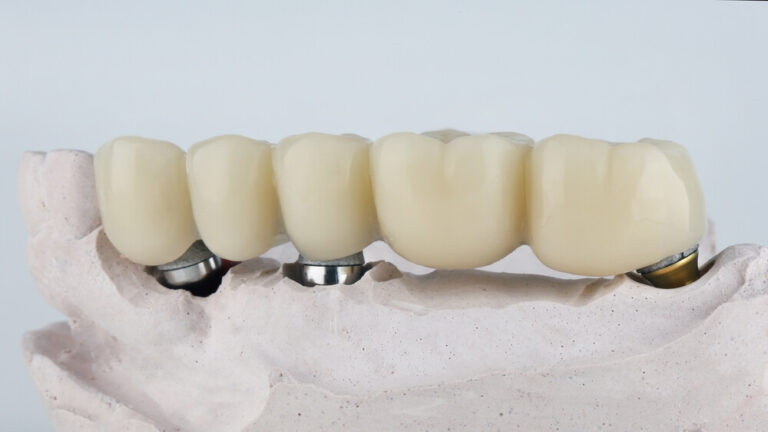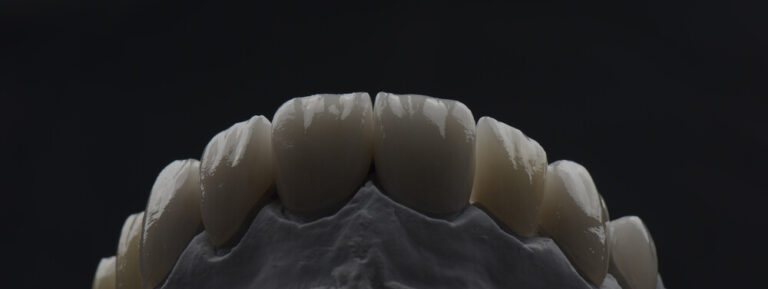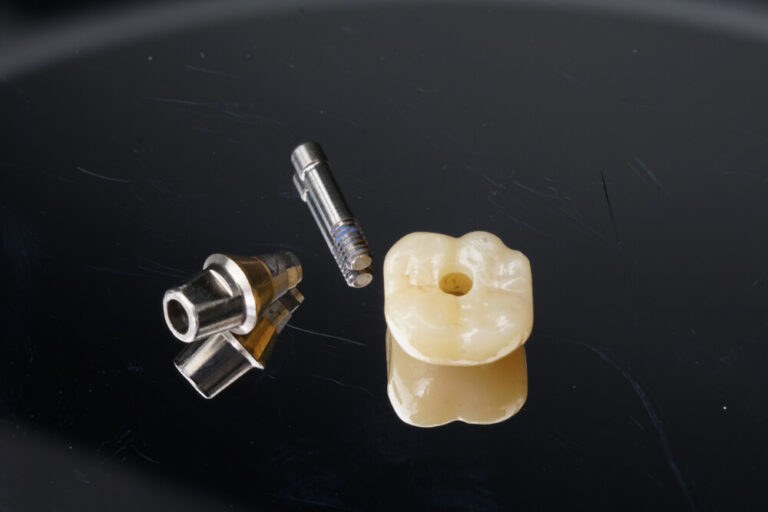

A cleft palate is a congenital condition that occurs when the roof of the mouth does not fully develop before birth. Although many individuals undergo corrective surgeries during childhood, some continue to experience missing teeth, changes in jaw development, or anatomical differences that affect oral function well into adulthood. In these situations, custom-made dentures can play an important role in restoring chewing ability, improving speech, supporting facial appearance, and enhancing overall quality of life. Through advances in restorative dentistry and laboratory technology, organizations like Catalis Dental Lab Partners help support dental professionals in creating highly personalized prosthetic solutions for patients in Phoenix, Arizona, Warren, Michigan, and surrounding communities.
Every patient with a cleft palate presents a unique combination of anatomical features, previous surgeries, and restorative needs. Unlike conventional dentures that are fabricated using standardized techniques, custom-made dentures are carefully designed around each individual’s oral anatomy. This personalized approach helps improve comfort, stability, and function while addressing challenges that may result from cleft-related structural differences.
Why Patients with Cleft Palate Often Require Specialized Dentures
Even after successful surgical repair, many patients continue to experience dental complications that require restorative treatment. Missing teeth are common because tooth development is often affected in the area of the cleft. Changes in bone structure, scar tissue, jaw alignment, and soft tissue contours can also make traditional prosthetic treatment more complex.
Custom-made dentures are designed to accommodate these unique anatomical characteristics. Rather than relying on a one-size-fits-all approach, dentists and dental laboratories carefully evaluate the patient’s oral structures, bite relationship, remaining teeth, and functional needs before designing the prosthesis. This individualized planning helps maximize retention, comfort, and long-term success while supporting daily activities such as eating and speaking.
Benefits of Custom-Made Dentures
Custom prosthetic design offers numerous advantages for patients whose oral anatomy differs from typical denture cases. A personalized restoration can improve both function and confidence while helping patients participate more comfortably in everyday life.
Some of the benefits of custom-made dentures include:
- Improved chewing efficiency for a wider variety of foods
- Better speech support through improved oral anatomy
- Enhanced facial support and smile aesthetics
- Increased comfort through individualized fit
- Greater denture stability during daily function
- Customized design that accommodates previous surgical repairs and anatomical variations
These benefits often extend beyond oral health by improving communication, nutrition, and overall quality of life.
The Importance of Comprehensive Treatment Planning
Successful treatment for patients with cleft palate often involves collaboration among multiple dental and medical professionals. Prosthodontists, oral surgeons, orthodontists, restorative dentists, speech specialists, and dental laboratories may all contribute to developing a treatment plan tailored to the patient’s needs.
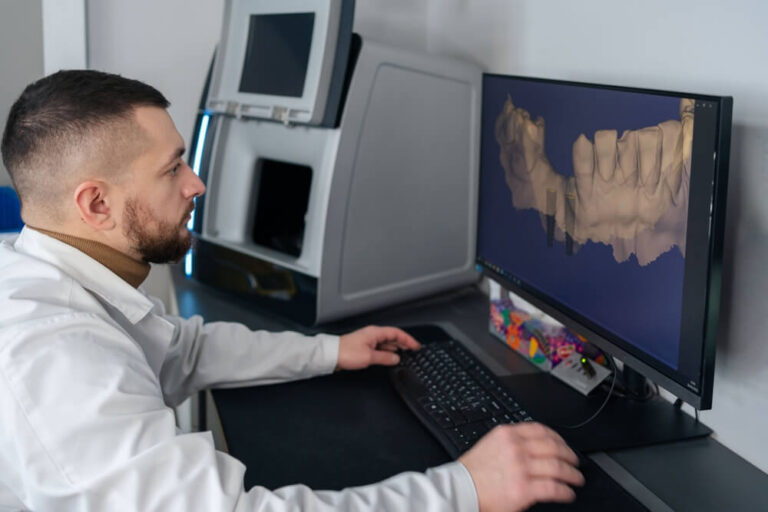
Comprehensive evaluation begins with a detailed examination of the oral cavity, remaining teeth, jaw relationship, gum tissues, and previous surgical outcomes. Digital impressions, three-dimensional imaging, and advanced laboratory techniques allow clinicians to better understand the patient’s anatomy before designing the prosthesis.
Careful planning is especially important because many patients have irregular ridge contours, scar tissue, or missing bone that can affect denture retention. A customized approach allows the prosthesis to work with these anatomical differences rather than against them, creating a restoration that is both functional and comfortable.
How Modern Technology Improves Custom Denture Design
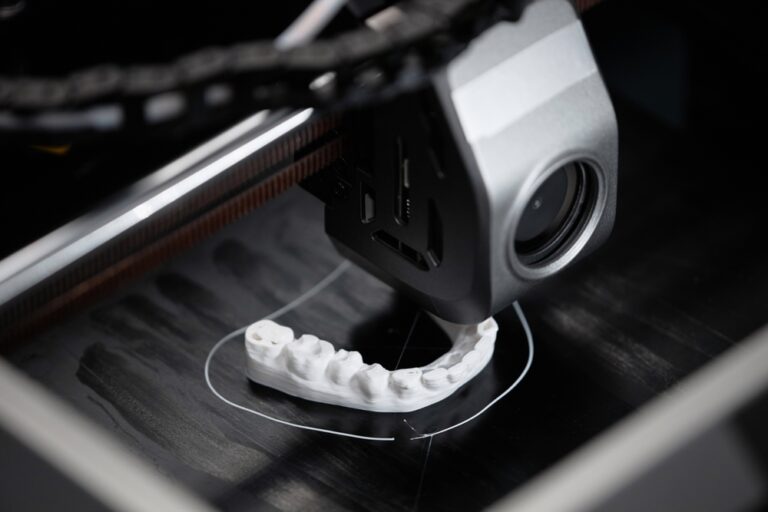
Advances in digital dentistry have significantly improved the fabrication of dentures for patients with complex oral conditions. Digital impressions, computer-aided design (CAD), and precision manufacturing techniques allow dental laboratories to produce restorations with greater consistency and accuracy than many traditional methods.
These technologies also improve communication between dentists and dental laboratories, allowing small design modifications that enhance fit, function, and appearance before the final prosthesis is completed. Patients interested in learning more about modern restorative workflows may also explore Catalis Dental Lab Partners’ Our Technology, Dentures, and Digital Dentures services to better understand how digital innovation supports personalized restorative care.
Modern materials have also contributed to improved comfort and durability. High-quality acrylics, advanced denture teeth, and digital fabrication techniques help produce restorations that are both functional and aesthetically pleasing while meeting each patient’s individual needs.
Long-Term Care and Ongoing Adjustments
Patients with cleft palate often benefit from regular follow-up appointments after receiving a custom denture. Changes in oral tissues, normal wear of the prosthesis, or alterations in bite alignment may require periodic adjustments to maintain optimal fit and function.
Daily cleaning remains essential for preserving both the denture and the health of the surrounding oral tissues. Patients should follow their dental provider’s recommendations for cleaning techniques, overnight storage, and routine dental evaluations. In some cases, relining or replacing the denture may become necessary over time as oral structures naturally change.
Maintaining regular dental care also allows providers to monitor the health of remaining teeth, gum tissues, and supporting bone while addressing any concerns before they become more significant.
Personalized Prosthetic Care Can Improve Quality of Life
Custom-made dentures provide valuable restorative solutions for patients with cleft palate by addressing the unique anatomical challenges that often remain after surgical treatment. Through individualized design, advanced materials, and modern digital technology, these restorations help improve oral function, speech, facial support, and overall confidence. Every treatment plan is tailored to the patient’s specific needs, allowing dental professionals to create prosthetic solutions that support long-term comfort and everyday function.
For patients seeking to better understand restorative options associated with cleft palate, learning about custom-made dentures offers valuable insight into the importance of personalized dental care. Catalis Dental Lab Partners supports restorative excellence by helping dental professionals fabricate customized prosthetic solutions through advanced laboratory technologies for patients in Phoenix, Arizona, Warren, Michigan, and beyond. Additional information about restorative options can also be found by exploring services such as Partials, Dentures, and Complex Implant Restorations.
Resources
American Cleft Palate-Craniofacial Association. Parameters for Evaluation and Treatment of Patients with Cleft Lip/Palate or Other Craniofacial Differences.
Zarb, G. A., Hobkirk, J., Eckert, S., & Jacob, R. (2013). Prosthodontic Treatment for Edentulous Patients: Complete Dentures and Implant-Supported Prostheses. Elsevier.
Rosenstiel, S. F., Land, M. F., & Fujimoto, J. (2022). Contemporary Fixed Prosthodontics. Elsevier.